For the bigger picture and full context, make sure you read our main guide on Authentic Florentine Cuisine Reveals Its Humble and Delicious Origins.
Florence, a city renowned for its artistic masterpieces and architectural wonders, harbors another, perhaps more vital, treasure: its food. Among the pantheon of Tuscan comfort dishes, pappa al pomodoro stands out—a rustic, soul-warming testament to the region's ingenious cucina povera. But finding the very best trattorias for pappa al pomodoro in Florence can feel like a quest, distinguishing between a serviceable version and one that truly captures its humble, delicious essence. It’s not just about tomatoes and bread; it's about history, seasonality, and an almost religious devotion to simple perfection.
At a Glance: Mastering Your Pappa al Pomodoro Quest
- Seasonality is King: The best pappa relies on peak-season fresh tomatoes, typically available from late spring through summer.
- Bread Matters Immensely: Authentic Tuscan bread—day-old, unsalted, wood-fired, with an open crumb—is non-negotiable.
- Ingredient Quality Over Technique: Simplicity dictates that only the finest, freshest tomatoes, olive oil, and basil will do.
- Traditional vs. Innovative: Decide if you seek nonna's recipe or a chef's refined interpretation.
- Look Beyond the Menu: A truly great trattoria for pappa often excels in other classic Florentine dishes and offers a genuine, unpretentious atmosphere.
- Don't Rush It: True pappa benefits from a slow simmer and often a brief rest, preventing it from becoming overly starchy.
The Soul of Pappa: A Humble Dish, Deceptively Complex
Pappa al pomodoro is more than just a tomato and bread soup; it's a philosophy born from necessity. Originating from the peasant tradition of utilizing stale bread rather than wasting it, this dish embodies the very spirit of Florentine cuisine's humble origins. Its seemingly simple list of ingredients—good tomatoes, vegetable broth, stale Tuscan bread, robust olive oil, garlic, and fresh basil—belies a profound art. The key lies in selecting the right components and understanding their interplay.
The choice of tomato, for instance, is paramount. The costoluto fiorentino, a deeply ribbed, flavorful variety, is often cited as the ideal candidate, offering the perfect balance of sweetness and acidity. Without it, the dish struggles to achieve its signature vibrant flavor. And the bread? It must be traditional Tuscan, wood-fired, and at least a day old. This unsalted, wide-crumb bread possesses a unique ability to absorb the tomato broth without disintegrating into mush, providing body and texture rather than just starch.
The challenge for even experienced cooks is to prevent the pappa from becoming overly starchy or sticky—a common pitfall. This requires careful attention to the tomatoes' natural pectin, the broth's consistency, and the bread's texture. It's a delicate balance that separates the good pappa from the truly exceptional.
The Custodians of Tradition: Trattorias Mastering Classic Pappa
For those seeking pappa al pomodoro as it has been made for generations, several Florentine institutions uphold the rigorous standards of this beloved dish. These are places where the essence of Tuscan cucina povera is not just served, but celebrated.
Paolo Gori: A Century of Nonna Irene's Wisdom
Operating for over 120 years, Paolo Gori is a family trattoria that embodies culinary heritage. Their pappa al pomodoro isn't just a recipe; it's a direct lineage to grandmother Irene’s simple, effective methods. The secret, according to the family, isn't complex technique, but rather meticulous adherence to seasonal availability and ingredient quality.
- Strict Seasonality: They only make pappa after Easter, exclusively with fresh, ripe tomatoes. This isn't a suggestion; it's a golden rule. Using canned tomatoes, even high-quality ones, would betray the dish's fundamental character.
- The Bread Imperative: The bread must be traditional Tuscan, wood-fired, and stale. It's critical for it to have a wide, open crumb and be low in salt. This specific bread absorbs the liquid beautifully, providing structure and flavor without turning into an indistinct paste. It’s the backbone of their pappa, ensuring a hearty, satisfying texture.
- Ingredient Purity: Their philosophy centers on excellent ingredients allowed to shine. This means quality olive oil, aromatic garlic, and fresh basil are equally vital.
Visiting Paolo Gori is less about a fancy meal and more about experiencing a living piece of Florentine culinary history, where simplicity is elevated to an art form.
Ristorante Natalino: Simplicity and Seasonal Devotion
Nestled in the Santa Croce neighborhood since 1986, Ristorante Natalino, run by the Mazzanti family, is another stalwart of classic Tuscan cucina povera. Gabriele Mazzanti champions the dish's straightforward nature: bread, garlic, basil, and truly good tomatoes. His emphasis mirrors Paolo Gori's:
- Never Out of Season: This is a firm rule. A pappa al pomodoro made with out-of-season tomatoes simply isn't pappa. It sacrifices flavor, texture, and authenticity.
- The Right Loaf: Gabriele insists on at least a day-old, proper one-kilo loaf, well-baked. This ensures the bread has the structure and density to properly absorb the tomato broth without turning into a mushy disaster. The large loaf size also hints at its robust crumb.
- A Personal Touch: While traditionally simple, Gabriele shares a personal twist: at home, he adds leek to his pappa. While not a standard inclusion in trattorias, it highlights how personal preferences can subtly enhance a dish within the bounds of tradition.
Natalino offers an unpretentious, welcoming atmosphere perfect for savoring classic Florentine dishes, with pappa al pomodoro being a standout when in season.
Antica Mescita: Craft, Love, and a Gentle Rest
Chef Luigi Barbiere at Antica Mescita also adheres strictly to tradition, infusing his pappa al pomodoro with what he calls "love and skill." His technique includes a critical step often overlooked:
- The Low-Temperature Rest: Luigi uses low-salt, day-old bread—again, emphasizing the critical role of Tuscan bread. His unique touch involves letting the finished pappa rest in the oven at a low temperature. This gentle, extended warmth allows the flavors to meld further and, crucially, prevents the dish from becoming overly starchy. It’s a subtle but impactful technique that speaks to the depth of understanding required for this seemingly simple dish.
These three establishments represent the bedrock of traditional pappa al pomodoro in Florence. They demonstrate that true mastery isn't about elaborate flair, but about honoring ingredients, respecting seasonality, and understanding the delicate balance of texture and flavor.
The Avant-Garde Pappa: A Modern Interpretation
While tradition holds immense value, some chefs explore the boundaries of classic dishes, offering exciting new perspectives. Chef Marco Stabile exemplifies this innovative spirit with his "ultra-pappa."
Chef Marco Stabile: Pappa Reimagined
Chef Marco Stabile's approach to pappa al pomodoro is a testament to how a classic can be deconstructed and reassembled while still honoring its core flavors. His "ultra-pappa with basil gelato" is a dish designed for multiple textures and temperature contrasts.
- Multi-Textural Experience: Stabile introduces a crispy element from crumbled bread, adding a delightful crunch against the smooth pappa. This elevates the dish beyond its traditional, uniform consistency.
- Temperature Play: The inclusion of basil gelato provides a surprising temperature contrast—cool and herbaceous against the warm, savory pappa. It's a bold move that redefines the sensory experience of the dish.
- Unwavering Seasonality: Despite its innovation, Stabile remains fiercely committed to seasonality, using the prized costoluto fiorentino tomato and serving the dish only from July onwards. This proves that innovation doesn't mean abandoning the fundamentals of quality and provenance.
While not a traditional trattoria, a visit to a restaurant featuring Chef Stabile's creation offers a unique, high-end interpretation for those interested in experiencing pappa al pomodoro through a contemporary lens. It broadens the definition of the "best trattorias for pappa al pomodoro Florence" to include places pushing culinary boundaries.
Beyond the Bowl: What Makes a Great Florentine Trattoria?
When searching for the best pappa al pomodoro, it's also important to consider the broader trattoria experience. Florence's trattorias are celebrated for their comforting Tuscan cuisine, lively atmosphere, and genuine hospitality. While not all trattorias mentioned here are explicitly noted for their pappa, they offer a benchmark for the kind of authentic, quality dining experience you should seek out.
- Atmosphere and Ambiance: A truly great trattoria should feel welcoming, lively, and unpretentious. Think checkered tablecloths, bustling kitchens, and the chatter of locals. Places like Trattoria Sostanza (a small, century-old spot known for straightforward cooking) and Trattoria Cammillo (an Oltrarno institution since 1945, beloved by locals and tourists) set this standard. They exude an authentic charm that enhances any meal.
- Commitment to Quality and Seasonality: Regardless of the specific dish, a top-tier trattoria prioritizes fresh, seasonal, and often locally sourced ingredients. Cibrèo Ristorante (and its family of places: Trattoria, Café, Cibleo) founded by Fabio Picchi, epitomizes this, blending forward-thinking with deep traditional roots and a commitment to fresh produce.
- Genuine Hospitality: Service should be friendly, efficient, and genuinely welcoming. Trattoria Alfredo is often praised for its cozy, unpretentious vibe and genuinely welcoming service from Mr. Alfredo himself. This human element is crucial for an authentic Florentine experience.
- A Broader Menu of Classics: While your focus might be pappa, a trattoria that excels in this dish will likely impress with other Tuscan staples. Look for excellent ribollita, pici pasta, bistecca alla fiorentina, or tortelli di patate. Il Santo Bevitore offers traditional dishes with creative twists, complemented by an interesting wine list, while Osteria Santo Spirito is lauded for its overall tasty offerings, including baked gnocchi.
When a trattoria consistently delivers on these fronts, even if pappa isn't their only claim to fame, it's a strong indicator that they will apply the same dedication to any dish they serve, especially a seasonal classic like pappa al pomodoro.
Your Pappa Pursuit Playbook: How to Choose Your Experience
Navigating the Florentine culinary scene for the perfect pappa requires a bit of strategy. Here’s how to ensure your quest is fruitful:
- Time Your Visit:
- The Golden Rule: Plan your trip for late spring, summer, or early autumn. This is when fresh, ripe tomatoes (especially the costoluto fiorentino) are in season. If you visit in winter, understand that even the best trattorias might be using preserved tomatoes, which will yield a different, though still comforting, dish. Ask! "È con pomodori freschi di stagione?" (Is it with fresh, seasonal tomatoes?)
- Ask About the Bread:
- Don't be shy. A good trattoria will proudly tell you about their bread. Listen for phrases like "pane toscano," "pane raffermo" (stale bread), or "pane cotto a legna" (wood-fired bread). This indicates their commitment to authenticity.
- Decide Your Style:
- Traditionalist: If you want nonna's pappa, prioritize places like Paolo Gori, Ristorante Natalino, or Antica Mescita. You're looking for warmth, simplicity, and a dish that tastes like history.
- Innovator: If you're open to a modern interpretation and a more refined dining experience, seek out a chef like Marco Stabile (though verify availability and restaurant as chefs can move). This is for the adventurous palate.
- Observe the Locals:
- A busy trattoria filled with Florentine families and friends is often a good sign. Locals know where the true gems are.
- Look for Other Seasonal Specials:
- A menu that features other highly seasonal dishes (e.g., specific mushrooms, artichokes) suggests a kitchen that values fresh ingredients, which is paramount for pappa.
- Don't Overlook the Olive Oil:
- A drizzle of high-quality, peppery Tuscan olive oil just before serving is the final flourish that elevates pappa al pomodoro. A good trattoria will use excellent olive oil, often served at the table.
Quick Answers: Common Pappa Questions
Q: Can I get authentic pappa al pomodoro in Florence year-round?
A: While some restaurants may offer a version using canned or preserved tomatoes, the truly authentic and best pappa al pomodoro, made with fresh costoluto fiorentino tomatoes, is strictly seasonal, primarily from late spring (after Easter) through summer and early autumn (July onwards). Eating it out of season will result in a distinctly different, often less vibrant, flavor.
Q: Why is stale bread so important for pappa al pomodoro? Won't fresh bread work?
A: Stale, unsalted Tuscan bread is crucial because its drier, firmer texture allows it to absorb the tomato broth without becoming mushy or excessively starchy. It provides structure and body, creating that signature "pappa" (pap) consistency rather than a soupy liquid. Fresh bread would turn into a gummy mess. The low salt content of traditional Tuscan bread also prevents the dish from becoming overly salty, allowing the tomato flavor to dominate.
Q: Is pappa al pomodoro always served hot?
A: Traditionally, yes, it's served warm or hot. However, some modern interpretations, like Chef Marco Stabile's with basil gelato, introduce temperature contrasts. But the classic peasant dish is definitely a warm comfort food.
Q: What's the difference between pappa al pomodoro and ribollita?
A: Both are Tuscan peasant soups utilizing stale bread, but their primary flavors differ. Pappa al pomodoro is tomato-based, with garlic, basil, and olive oil as its core aromatic profile. Ribollita is a more robust vegetable and bean soup, often containing cannellini beans, kale, cabbage, and other seasonal greens, simmered and then "reboiled" (hence the name) or reheated, often gratinéed with cheese. While both use stale bread for body, their flavor profiles are distinct.
Q: How do I know if the pappa al pomodoro is good just by looking at it?
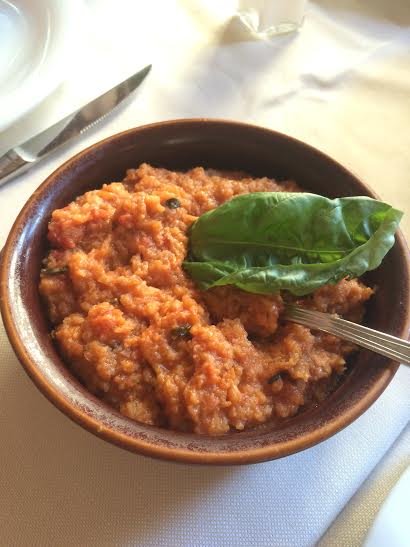
A: A good pappa should have a rustic, somewhat thick, but not overly gluey consistency. It should be a vibrant reddish-orange, indicating fresh tomatoes. You should see pieces of soft, absorbed bread rather than a uniform paste. A generous drizzle of bright green olive oil on top and scattered fresh basil leaves are also good signs. It shouldn't look watery or separated.
Your Next Step: The Florentine Pappa Pilgrimage
The quest for the best pappa al pomodoro in Florence is more than just finding a dish; it's about connecting with the soul of Florentine cuisine. It's about respecting tradition, understanding the rhythm of the seasons, and appreciating how humble ingredients, in the right hands, can create something truly extraordinary. Whether you opt for the century-old wisdom of Paolo Gori, the steadfast adherence to tradition at Ristorante Natalino, the subtle craft of Antica Mescita, or even the audacious innovation of Chef Marco Stabile, you're embarking on a delicious pilgrimage. Trust your senses, embrace the seasonal bounty, and prepare to be utterly charmed by this quintessential Florentine delight. Buon appetito!