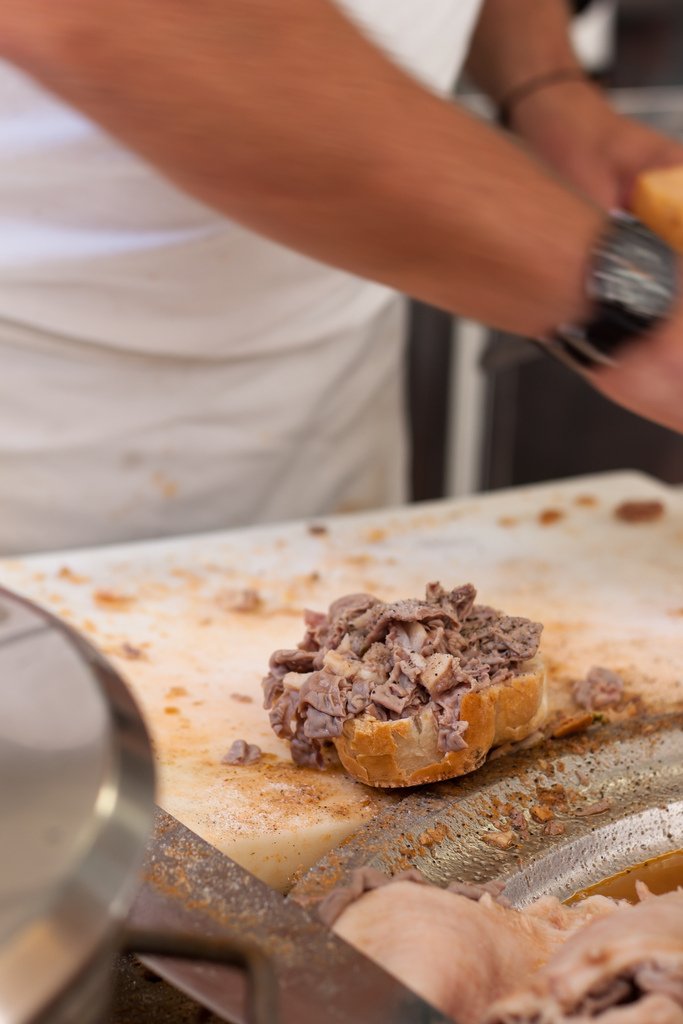
Missing out on an authentic Florentine lampredotto street food experience isn't just skipping a meal; it's bypassing a crucial chapter in Florence's culinary story. This isn't about trendy fusion or Michelin stars, but about a deep, delicious dive into the city’s soul, served piping hot from a street cart. For those who crave the real Florence, understanding and embracing lampredotto is as essential as admiring Michelangelo’s David or strolling across the Ponte Vecchio.
At a Glance: Your Lampredotto Essentials
- Iconic Florentine Street Food: Made from slow-cooked cow abomasum (fourth stomach), served in a crusty roll.
- Humble Origins: A delicacy for the common people since the Middle Ages, offering an affordable taste of Florentine tradition.
- Essential Components: Tender tripe, a broth-dipped "semelle" (roll), and your choice of salsa verde or spicy red sauce.
- Where to Find It: Exclusively at "lampredottai" kiosks throughout Florence, known for local authenticity.
- Cultural Experience: More than food, it's a connection to the city's working-class history and nose-to-tail philosophy.
- Budget-Friendly: Typically costs just a few euros, making it an accessible culinary adventure.
The Unmistakable Heart of Florentine Street Food
Florence, known globally for its Renaissance art and architectural grandeur, harbors a culinary secret whispered among locals: lampredotto. This isn't just food; it's a testament to Florentine ingenuity, a dish born from necessity and elevated by tradition. Imagine a sandwich so ingrained in the city’s fabric that its very name evokes centuries of history, connecting you directly to the daily lives of Florentines past and present.
The term "lampredotto" itself is a nod to history, deriving from "lampreda," the Italian word for lamprey, an eel-like fish. In the Middle Ages, lamprey was a costly delicacy enjoyed by the nobility. For the common folk, the humble abomasum, or fourth stomach of a cow, became an ingenious, affordable alternative. Its wavy, textured appearance, reminiscent of the lamprey's mouth, gave this tripe dish its enduring name, forging a link between the tables of peasants and the palates of princes. This culinary heritage, deeply rooted in resourceful and delicious origins, forms a significant part of the broader story of Delicious Florentine cuisine origins.
Deconstructing the Perfect Panino al Lampredotto
A truly authentic Florentine lampredotto street food experience hinges on understanding its components. Each element, from the cut of tripe to the choice of sauce, plays a critical role in creating this singular taste.
The Abomasum: From Humble Cut to Culinary Star
At the core of lampredotto lies the abomasum, the fourth and final stomach compartment of a cow. Unlike other forms of tripe, the abomasum has a distinctive texture with multiple layers, often described as having a velvety, almost honeycomb-like quality. Its preparation is crucial: the abomasum is slow-cooked for hours, sometimes even overnight, in a rich, savory broth. This broth is typically seasoned with a simple yet aromatic blend of vegetables like onions, celery, and carrots, alongside various herbs, creating a deep, umami-rich foundation for the tripe.
This prolonged cooking process renders the tripe incredibly tender, transforming what might otherwise be a tough cut into a meltingly soft, flavorful delicacy. The skill of the "lampredottaio" (the vendor) is evident in how perfectly the tripe is cooked—it should be soft, but still retain a slight textural integrity, never mushy. Once cooked, it's thinly sliced, ready for assembly.
The "Semelle" and the "Bagnato": Mastering the Roll
The vessel for this tender tripe is equally important: a crusty, local Florentine roll, often referred to as a "semelle." This isn't just any bread; it's typically a simple, rustic roll with a firm crust and a soft, airy interior, designed to absorb flavor without becoming soggy.
Here's where the "bagnato" comes in. Before the sliced lampredotto is placed inside, the top half of the semelle is traditionally dipped into the simmering cooking broth. This quick dip—"bagnato" meaning "wet" or "bathed"—infuses the bread with an extra layer of savory flavor and softens it just enough to complement the tender tripe. It's a small but vital detail that prevents the sandwich from being dry and adds an essential succulence that elevates the entire experience.
The Essential Sauces: Verde vs. Piccante
No lampredotto is complete without its traditional sauces, offering a delightful contrast and an additional layer of flavor. You'll typically be offered two choices:
- Salsa Verde (Green Sauce): This vibrant, herbaceous sauce is a Florentine staple, packed with fresh parsley, pungent garlic, tangy capers, and often a touch of briny anchovy. It's bright, fresh, and offers a sharp, zesty counterpoint to the rich tripe. Think of it as a Florentine chimichurri, designed to cut through richness and add complexity.
- Salsa Piccante (Spicy Red Sauce): For those who prefer a kick, the spicy red sauce delivers. While recipes vary slightly between vendors, it's generally a robust chili-based sauce that provides a warm, lingering heat. It's not usually searingly hot, but offers a pleasant warmth that enhances the savory tripe.
Many locals, and in fact, many experienced visitors, opt for "entrambe" (both). This combination provides the fresh, herbaceous notes of the salsa verde alongside the gentle heat of the spicy sauce, creating a perfectly balanced flavor profile that highlights the lampredotto without overpowering it.
Finding Your Authentic Lampredottaio Experience
Locating a genuine authentic Florentine lampredotto street food vendor is part of the adventure. These aren't hidden gems; they're fixtures of Florentine life, operating from dedicated kiosks.
More Than Just a Kiosk: The Lampredottaio Tradition
The "lampredottai" are more than just vendors; they are custodians of a centuries-old tradition. They are typically independent operators, often running family businesses that have perfected their lampredotto for generations. Their small, often unadorned kiosks are bustling hubs of activity, attracting a loyal clientele of locals, workers on lunch breaks, and intrepid tourists. The experience of ordering from a lampredottaio, watching them deftly slice the tripe and assemble your sandwich, is an integral part of the cultural immersion.
Spotting the Best Stalls
While most lampredottai serve a quality product, a few indicators can point you toward the most authentic and beloved stalls:
- The Queue: A long line, especially one dominated by locals, is usually a good sign. Florentines know their lampredotto, and they'll wait for the best.
- The Simplicity: The most authentic stalls often have a no-frills setup. Focus is on the food, not fancy signage or elaborate seating.
- The Aroma: As you approach, a rich, savory aroma of slow-cooked meat and herbs should fill the air.
- The Vendor: Look for an experienced vendor, often older, who handles the tripe with practiced ease and confidence.
Recommended Haunts (Specific Examples)
While personal preferences abound, a few lampredottai consistently receive high praise for their authenticity and flavor:
- Near the Church of Sant’Ambrogio: This is often cited as a must-visit for its traditional approach and strong local following. It's deeply rooted in the neighborhood's daily life.
- Trippaio del Porcellino: Located near the famous "Porcellino" (wild boar) fountain in the Mercato Nuovo, this stall is popular and well-regarded for its consistently good lampredotto.
- L’Antico Trippaio: Found near Piazza della Repubblica, this vendor is known for offering flavorful variations and a reliable, delicious sandwich.
These specific locations are not just points on a map; they are cultural landmarks where the true spirit of authentic Florentine lampredotto street food thrives.
The Lampredotto Ritual: How to Order and Enjoy
Approaching a lampredottaio for the first time can feel a little intimidating, but it’s a straightforward process that leads to immense satisfaction.
Ordering Like a Local
- Approach the Stall: Walk up to the counter.
- Order Your Sandwich: A simple "Un panino al lampredotto, per favore" (A lampredotto sandwich, please) will suffice.
- Choose Your Sauces: The vendor will usually ask "Con salsa verde o piccante?" (With green sauce or spicy?). If you want both, say "Entrambe, per favore" (Both, please). If you prefer none, "Senza salse" (Without sauces).
- Wait and Watch: Enjoy the spectacle as your sandwich is expertly prepared. The tripe is typically removed from the broth, thinly sliced on a cutting board, then piled generously into the "bagnato" roll.
- Pay: It's usually a cash-only transaction, just a few euros.
Eating Etiquette
Lampredotto is quintessential street food—meant to be eaten on the go, often standing by the kiosk or leaning against a nearby wall. There's no need for formal dining; it's a casual, communal experience. Embrace the simple pleasure of eating a hearty, flavorful sandwich as locals have for centuries. Don’t be afraid to get a little messy; it’s part of the charm.
Pairing
While not strictly necessary, many Florentines enjoy their lampredotto with a simple glass of red wine, often a chianti, or simply a bottle of water. The robust flavors of the sandwich pair well with a straightforward, unpretentious drink.
Beyond the Bite: Lampredotto's Enduring Legacy
More than just a meal, lampredotto embodies a philosophy and a history unique to Florence.
A Taste of History and Humility
Lampredotto is a living link to Florence's working-class past. It represents the "nose-to-tail" eating philosophy before it became a culinary trend, demonstrating how every part of an animal could be transformed into something delicious and nourishing. It speaks to resilience, resourcefulness, and the deep-seated Florentine appreciation for humble, quality ingredients. When you savor a lampredotto, you're not just eating tripe; you're participating in a ritual that has sustained generations of Florentines, reminding you that authentic flavor often springs from the most unassuming origins.
The Unique Flavor Profile
The flavor of lampredotto is truly unique and remarkably difficult to replicate outside of Florence. The combination of the specific cut of tripe, the local herbs and vegetables in the slow-cooking broth, the regional bread, and the distinct local water all contribute to its irreplaceable taste. It's a flavor that carries the very essence of the Tuscan capital, proving that some culinary magic just can't be bottled or exported.
Timing Your Visit
Most lampredottai operate from late morning until early afternoon, typically serving lunch. To ensure the freshest sandwich and avoid the longest lines, especially at popular stalls, it's advisable to arrive a little earlier than peak lunch hours, perhaps around 11:30 AM or 12:00 PM. By late afternoon, many stalls will have sold out or closed for the day.
Your First Lampredotto: A Quick-Start Guide
- Locate a Reputable Lampredottaio: Use the recommendations above or look for stalls with local queues.
- Order "Un panino al lampredotto, entrambe": Get both sauces for the full flavor spectrum.
- Embrace the "Bagnato": Expect your bread to be dipped in broth; it's essential.
- Eat Standing: Find a spot near the kiosk and enjoy your sandwich the authentic way.
- Savor the Experience: Don't just eat; appreciate the history and culture in every bite.
Quick Answers: Common Lampredotto Questions
- Is Lampredotto safe to eat? Absolutely. The tripe is meticulously cleaned and slow-cooked for hours at high temperatures, making it perfectly safe and hygienic.
- What does Lampredotto taste like? It's savory, rich, and deeply umami, with a distinct, earthy flavor from the tripe. The texture is tender and slightly chewy, not rubbery. The sauces add brightness (salsa verde) or warmth (salsa piccante) to balance the richness.
- Can I find Lampredotto outside Florence? While you might find tripe dishes elsewhere in Italy, authentic lampredotto as prepared and served in Florence is unique to the city. Its specific preparation, choice of abomasum, and local street food culture make it an experience exclusive to Florence.
- What’s the difference between Lampredotto and Trippa alla Fiorentina? Both use tripe, but they are distinct dishes. Lampredotto uses only the abomasum (fourth stomach), is slow-cooked in broth, thinly sliced, and served in a sandwich as street food. Trippa alla Fiorentina typically uses various parts of the tripe, is cut into strips, cooked in a rich tomato sauce, and served as a stew or main course, often in restaurants. They are fundamentally different culinary experiences.
- How much does a Lampredotto sandwich cost? Typically, an authentic lampredotto sandwich costs between €4 and €6, making it one of the most affordable and satisfying meals you can find in Florence.
Ultimately, indulging in authentic Florentine lampredotto street food is more than just trying a local dish; it's an initiation into the heart of Florentine culture. It's about tasting history, embracing tradition, and experiencing the city as a local would. So, when in Florence, set aside any preconceptions, step up to a lampredottaio, and discover why this humble sandwich remains one of the city's most enduring and beloved culinary treasures.