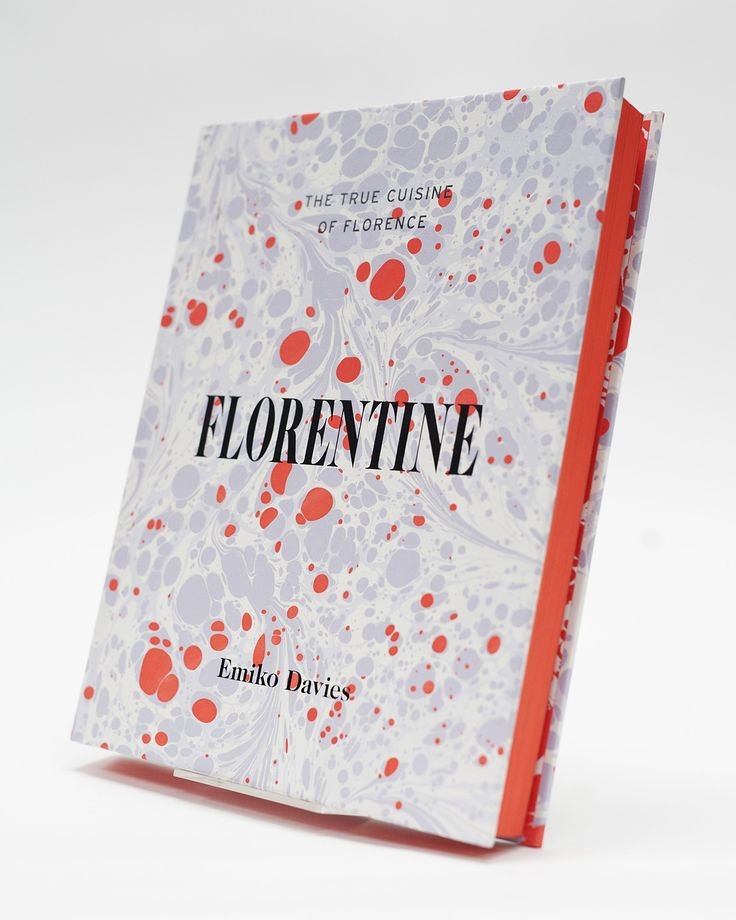
Florence, the birthplace of the Renaissance, is celebrated globally for its art, architecture, and timeless beauty. But venture beyond the magnificent Duomo and the Uffizi Gallery, and you’ll discover another masterpiece: its food. Authentic Florentine Cuisine is a distinct culinary tradition, far removed from generalized "Italian food." It's a testament to ingenuity, born from necessity and a deep respect for local ingredients, now revered for its profound flavors and comforting simplicity. This isn't just about eating; it's about connecting with centuries of Florentine life, one delicious, unpretentious bite at a time.
At a Glance: Your Guide to Florentine Eating
- Simplicity Reigns: Florentine food is about quality ingredients, not complex preparations.
- Cucina Povera Roots: Many classic dishes evolved from making the most of humble resources.
- Trattorias are Key: Seek out family-run "trattorias" for the most authentic experiences and daily specials.
- Salt-Less Bread: Don't be surprised; Tuscan bread is traditionally made without salt.
- Street Food Essential: Some of the city's most iconic dishes are found from street vendors.
- Meat-Forward: Beef (especially Bistecca), offal, and game are prominent in main courses.
The Soul of Florentine Food: From Poverty to Palate
To truly appreciate Florentine food, you must understand its heart: cucina povera, the "poor kitchen." This tradition emerged from economic hardship, where nothing was wasted, and every ingredient was honored. Tough cuts of meat, day-old bread, and seasonal vegetables were transformed through slow cooking and resourceful techniques into dishes bursting with flavor and sustenance. Today, this philosophy isn't a limitation but a proud culinary identity, celebrating fresh, local produce, robust olive oil, and the bounty of the Tuscan countryside.
Dining in Florence, especially in its traditional trattorias, means experiencing this philosophy firsthand. Menus are often simple, reflecting what's fresh and available, sometimes even handwritten. The atmosphere is typically warm, unpretentious, and focused on the joy of sharing good food.
Decoding the Florentine Table: General Dining Notes
Before diving into specific dishes, a few pointers will help you navigate the Florentine dining scene like a local.
- The Peculiarity of Tuscan Bread: Don't be alarmed: Tuscan bread is traditionally salt-less, or "pane sciappo." This characteristic dates back to a salt tax in the 12th century, and Florentines adapted by baking without it. It's designed to complement the rich, savory flavors of local cured meats, cheeses, and olive oil, acting as a neutral canvas. If you prefer salted bread for personal consumption, you can often request "pane salato" at bakeries.
- Liquid Gold: Olive Oil: Tuscany is renowned for its exceptional extra virgin olive oil. When purchasing, look for labels indicating local production for the freshest, most authentic taste. It's a staple in nearly every dish, often drizzled generously over food.
- Tuscan Wine: A Worthy Companion: You're in Tuscany, so good wine is a given. Don't hesitate to ask for the local house wine (vino della casa); it's often excellent and great value. You can order a quartino (¼ liter) or mezzo litro (½ liter) for individual servings or sharing. Just remember, strict drinking and driving laws are enforced, so plan accordingly.
- Pizza, Florentine Style: If you're expecting a thick, doughy crust, you might be surprised. Florentines prefer a very thin-crust pizza. For the more commonly recognized thick, chewy Neapolitan style, specifically ask for "pizza Napoletana."
- The Florentine Meal Structure: Meals typically follow a distinct order. You'll start with an antipasto (appetizer), followed by a primo piatto (first course, usually pasta or soup), then a secondo piatto (main course, typically meat or fish), and finally a contorno (side dish, like salad or vegetables) served after the main course, not with it. Dessert, dolce, comes last.
A Tour of Traditional Florentine Dishes
Let's explore the essential dishes that define Authentic Florentine Cuisine, from appetizers to desserts.
Antipasti: Kicking Off Your Culinary Journey
- Crostini Neri (Black Crostini): A ubiquitous Tuscan appetizer, these are toasted slices of bread topped with a rich, savory chicken liver paté. Often seasoned with capers, anchovies, and sage, it's a rustic, flavorful start to any meal.
Primi Piatti: Pasta & Soups That Warm the Soul
While not as pasta-centric as southern Italy, Florence has its own delightful first courses.
- Crespelle alla Fiorentina: A true Florentine classic, though not always found on every menu, these are delicate Italian crêpes generously stuffed with a creamy mixture of ricotta cheese and spinach. They're then covered with a béchamel sauce (sometimes enhanced with a touch of tomato sauce and Parmesan) and baked until golden and bubbly. It's comfort food elevated.
- Ribollita: A hearty winter soup that perfectly embodies cucina povera. Its name literally means "reboiled," referring to its practice of reheating leftover vegetable and bread soup. Made with cannellini beans, cabbage, kale, carrots, onions, and day-old Tuscan bread, it’s thick, nourishing, and incredibly flavorful. You might also find other similar robust bread-based soups like Pappa al Pomodoro on menus, a delicious tomato and bread soup—for a taste of these hearty soups, check out the Best Florence Trattorias for Pappa.
- Panzanella: A refreshing summer salad, also a brilliant use of day-old Tuscan bread. The dried bread is soaked, squeezed, and then tossed with fresh, ripe tomatoes, cucumbers, red onion, basil, and a generous dressing of local olive oil and vinegar. It’s light, vibrant, and utterly delightful on a hot day.
Secondi Piatti: The Heart of the Florentine Table
This is where Florentine cuisine truly shines, with a focus on high-quality meats and inventive preparations.
- Bistecca alla Fiorentina: The undisputed king of Florentine cuisine. This is not just a steak; it's an experience. A thick-cut (almost 2 inches) T-bone steak, typically from Chianina cattle, cooked rare over a high flame for just 3-4 minutes per side, then salted at the end. It's meant to be juicy, tender, and intensely beefy. Expect to order it by weight and share among the table. For an unforgettable experience, find out where to eat bistecca fiorentina at its best.
- Trippa & Lampredotto: These tripe-based dishes are the ultimate expression of cucina povera, using every possible part of the animal. Trippa alla Fiorentina is typically braised tripe in a rich tomato sauce. Lampredotto, however, is a classic Florentine street food. It’s made from the fourth stomach of the cow, slowly simmered in broth, then chopped and served in a crusty roll (panino), often dipped in the cooking broth and topped with salsa verde (parsley sauce) or spicy sauce. It’s a must-try for adventurous eaters, and you can taste authentic Florentine lampredotto from various street carts (lampredottai) around the city.
- Peposo alla Fiorentina: A robust and aromatic beef stew, where tough cuts of beef are slowly cooked in red wine (traditionally Chianti), copious amounts of garlic, and a generous helping of black peppercorns – peposo literally means "peppery." The result is incredibly tender meat in a deeply flavored, unctuous sauce.
- Baccalà alla Fiorentina: Even in landlocked Florence, salted cod fish has a place, a legacy of historical trade routes. This dish features savory cod prepared with tomatoes, onions, rosemary, and often served with toasted bread to soak up the delicious sauce.
- All’in zimino: This term describes a method of cooking where meat, fish, or beans are flavored with wild herbs, often with spinach or Swiss chard. The Florentine specialty is Seppie in zimino, where tender cuttlefish (octopus) is simmered with spinach, aromatic herbs, onions, and a touch of tomato sauce, creating a surprisingly light yet flavorful seafood dish.
- Cinghiale: Wild boar dishes are also prominent in the Tuscan region. From rich stews (casseruola di cinghiale) to hearty ragù served with pasta (pappardelle al cinghiale), the lean, gamey meat is a regional favorite.
Contorni: Simple, Seasonal Sides
Side dishes in Florence are usually simple, designed to complement the main course without overpowering it.
- Fagiuoli all'uccelletto: White cannellini beans are a Tuscan staple. This preparation sees them gently cooked with tomato sauce and fragrant sage. Variations might include garlic and black peppercorn without tomato, sometimes served with sausage.
- Piselli “alla Fiorentina”: Green peas are delicately boiled with garlic, fresh parsley, uncooked pancetta, and olive oil, creating a fresh and savory accompaniment.
- Artichokes & Spinach: These two vegetables are incredibly popular in Florentine cuisine. Spinach is often simply cooked and sautéed with olive oil and garlic. Artichokes are wonderfully versatile, appearing raw in salads (pizimonio), preserved, fried, sautéed, or as ingredients in pasta and rice dishes.
Dolci: Sweet Endings
Florentine desserts are less about elaborate confections and more about rustic sweetness and tradition.
- Zuccotto: A very Florentine dessert, though increasingly hard to find in its original, authentic form. It’s a dome-shaped cake, typically a sponge cake or ladyfingers, lined in a serving bowl, then filled with a rich mixture of sweetened ricotta cheese, candied fruit (especially lemon peel), and almonds. Chilled until firm like gelato, it’s then inverted to reveal its distinctive shape.
- Schiacciata Fiorentina: This traditional sweet cake is a rectangular, flat cake, originally made with lard, though now often with olive oil. It’s famously topped with powdered sugar and often decorated with the Florentine lily design. It's frequently sliced horizontally and filled with whipped cream or crema pasticcera (pastry cream).
- Zuppa Inglese: Despite its name ("English Soup"), this is an Italian dessert. It consists of layers of cookies or sponge cake (often biscotti) soaked in a liqueur (like Alchermes, which gives it a distinctive red color) and layered with rich liquid custard cream. It's also a popular gelato flavor.
- Gelato: A visit to Florence wouldn't be complete without gelato. It famously originated in Florence, credited to the architect Bernardo Buontalenti. Many gelaterias offer a flavor named "Buontalenti" or "Crema of Buontalenti" in his honor, a rich, creamy custard base. Seek out artisanal gelaterias that use natural ingredients for the best experience.
Eating Around Florence's Quartieri: Where to Find the Best Bites
Florence's city center is historically divided into quarters, each with its unique character and culinary gems. Stepping beyond the main tourist arteries can lead you to truly authentic experiences.
San Frediano / Santo Spirito (Oltrarno District): The Local's Favorite
Nestled across the Arno River, the Oltrarno district, particularly the San Frediano and Santo Spirito neighborhoods, is a vibrant hub for Florentines. It's known for its artisan workshops, lively squares, and some of the city's most authentic dining.
- Trattoria Sabatino: A beloved institution, this family-run trattoria embodies cucina povera. Expect communal tables, a bustling atmosphere, and a daily changing menu of incredibly affordable and delicious traditional dishes. Think pasta for €5, sides for €3, and meat dishes for €6–7. It’s an essential Florentine experience.
- Al Tran Vai: An intimate spot that often features handwritten menus, offering traditional Florentine classics with creative, refined spins. It's perfect for those seeking authenticity with a touch of modern flair.
- Santo Bevitore: A Michelin Selection restaurant that offers an elevated take on Tuscan cuisine. While more upscale, it retains a commitment to local ingredients and flavors. Don’t miss their bakery, S.Forno, for daytime treats.
Duomo: Finding Gems Amidst the Crowds
While the area around the Duomo can be very touristy, some excellent dining options are tucked away.
- Casella 18: Just a few steps from the Duomo, this spot offers an extensive pizza menu (both thin-crust Florentine and thicker Napoletana styles) along with a variety of dishes from across Italy, providing a diverse culinary experience.
Santa Maria Novella: Convenient & Delicious
Close to the main train station, Santa Maria Novella offers convenient dining options without sacrificing quality.
- Trattoria Marione: A popular choice known for serving one of the best cacio e pepe dishes in Florence, often made with pici pasta (a thick, hand-rolled spaghetti from Siena). Its convenient location makes it a great stop after arriving by train.
- Il Bacaro Fiorentino: This unique spot beautifully combines Venetian cicchetti (small aperitivo bites) and fresh fish specialties with traditional Florentine flavors, offering a delightful fusion experience.
Santa Croce / Sant’Ambrogio: Historic Charm and Culinary Delights
This district, known for the Basilica of Santa Croce and the bustling Sant’Ambrogio market, is rich with history and fantastic eateries.
- Trattoria Roberto: A long-standing family-owned establishment offering an extensive menu of Florentine classics. Its proximity to the Uffizi Gallery makes it a great choice for a post-museum meal.
- Trattoria Accadi & Ieie da Toshi: Chef Toshi at Accadi offers intriguing reinterpretations of Florentine cuisine, blending tradition with innovation. For those with a craving for Japanese, his highly-rated sushi restaurant, Ieie da Toshi, is nearby. A recommended dish at Accadi is the Gnudi burro e salvia (spinach and ricotta dumplings with butter and sage).
- Pino’s Sandwiches: A beloved family-run shop famous for its authentic schiacciata sandwiches. Perfect for a quick, delicious, and genuinely Florentine lunch on the go.
- Vivoli (Gelato): A historic gelateria and espresso bar that has been delighting locals and visitors for generations. They are particularly famous for their affogato (espresso poured over gelato).
Bring Florence Home: Learn to Cook
The best way to truly grasp the soul of Authentic Florentine Cuisine is to get your hands dirty. Consider taking a cooking class to learn the techniques and secrets behind these incredible dishes. Places like Mama Florence offer hands-on experiences where guests can learn to prepare classic Florentine and Italian recipes, culminating in a delicious four-course meal paired with local wines. It’s an immersive way to deepen your appreciation and bring a piece of Florence’s culinary magic back to your own kitchen.
From the humble lampredotto on a street corner to the majestic bistecca shared among friends, Florentine cuisine is an invitation to slow down, savor, and connect with a rich cultural heritage. It’s food that tells a story, rooted in tradition, and bursting with the flavors of Tuscany. So, go forth, explore, and let the authentic tastes of Florence captivate your palate.